
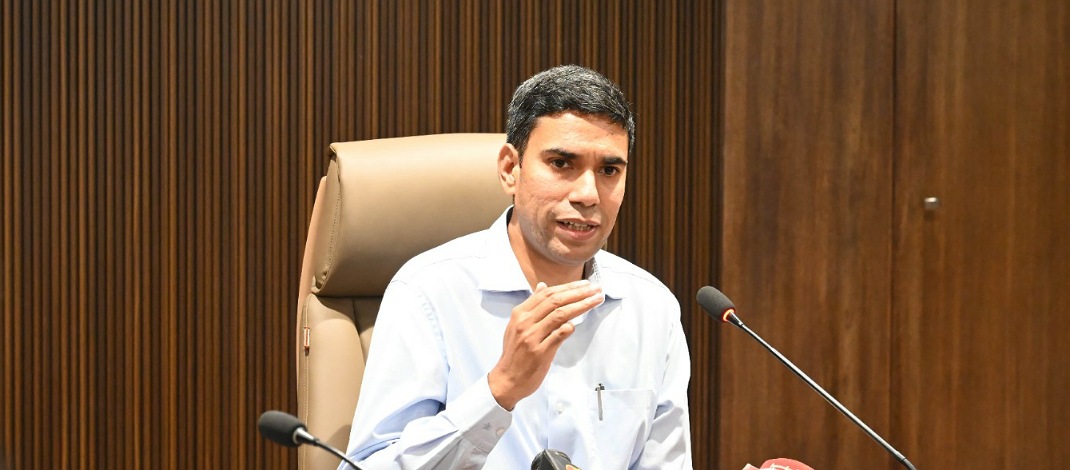
- Municipal Corporation of Gurugram has been instructed to immediately strictly enforce compliance with regulations, water sprinkling on roads and increased monitoring at construction sites
Gurugram : Following the continued rise in air pollution in the National Capital Region (NCR), the Air Quality Management Commission has issued an order to immediately implement Stage 2 (‘very poor’ category, AQI 301–400) of the Graded Response Action Plan (GRAP). The order, issued on October 19, directs all agencies in the NCR districts of Haryana, Delhi, Uttar Pradesh, and Rajasthan to strictly enforce pollution control measures.
Municipal Commissioner Pradeep Dahiya stated that the orders issued by the Commission have been implemented with immediate effect in the Municipal Corporation of Gurugram area. All citizens have been urged to ensure compliance with the regulations.
Rising pollution levels become a cause for concern
According to reports from the IMD and IITM, pollution levels in Delhi-NCR are continuously increasing. On October 19, Delhi’s average Air Quality Index (AQI) was recorded at 302, which falls in the ‘very poor’ category. In view of the possibility of further deterioration in the coming days, Stage II has been implemented.
Instructions to Haryana Municipal Corporations
An order issued by the Haryana Urban Local Bodies Department, Panchkula, has directed all Municipal Commissioners to immediately and strictly implement all measures under Stage I and Stage II of GRAP. The order also states that municipal corporations must submit daily monitoring and weekly compliance reports.
Key Actions Under Stage-II
Stage-II includes daily mechanical/vacuum-based cleaning of roads, daily or alternate-day sprinkling of water and the use of dust suppressants, strict monitoring of dust control measures at construction and demolition (C&D) sites, a complete ban on the use of coal and wood in hotels, restaurants, and outdoor dining establishments, diesel generators will be used only for essential services, such as sewage treatment plants, an increase in parking fees to discourage the use of private vehicles, RWAs providing heaters to security personnel to prevent open burning of garbage or biomass, and avoiding dust-generating construction activities between October and January.
Commission’s Tough Stance
The Commission has directed all municipal bodies, development authorities, transport departments, police, and pollution control boards to increase on-the-ground surveillance and take immediate action against any violations. Citizens have also been urged to follow the rules and contribute to reducing pollution.
In light of the serious air pollution situation in the National Capital Region, the administration has now begun taking strict measures. Surveillance will be increased from roads to construction sites, and action will be taken against those violating regulations. The government and administration aim to improve air quality and provide relief to the public through these measures in a timely manner.