
-Industry Voices Concerns Over Wage Hike at Labour Dept Meet in IMT Manesar
-PFTI Chairman Deepak Maini Calls for Phased Implementation of Wage Increase to Ease Industry Burden
-Labour Dept Assures Consideration of Industry Concerns on Wage Revision
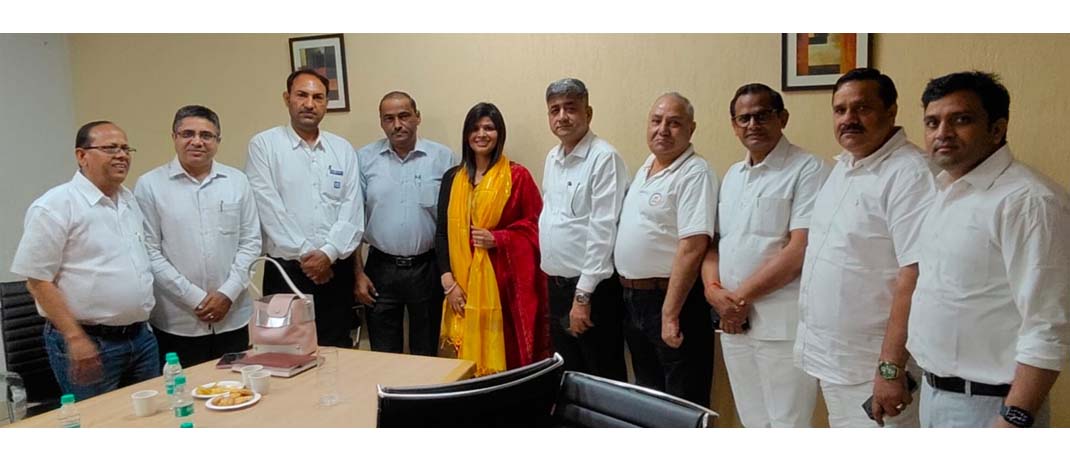
Gurugram : An important meeting on the implementation of revised minimum wages was convened by the Labour Department, Gurugram, under the chairmanship of Additional Labour Commissioner, Haryana, Anuradha Lamba, at the HSIIDC office in IMT Manesar.
The meeting saw participation from representatives of nearly ten major industrial associations from the Gurugram and Rewari regions. Prominent among them were Deepak Maini, Chairman of the Progressive Federation of Trade and Industry (PFTI); S. P. Aggarwal; R. L. Sharma; Rajesh Gupta (Manesar Industries Welfare Association); S.K. Ahuja (Chamber of Commerce); Shripal Sharma (Kadipur Industries Association); Krishna Yadav (Rewari Chamber of Commerce); C.B. Singh (IDA Sector-37); R.P. Khatana (Sohna Mewat Industries Association); and Ashwani Sharma (Chamber of Industries).
Senior officials from the Labour Department, including Deputy Labour Commissioner Naveen Sharma, Assistant Labour Commissioner Chandra Pal, along with Manoj Kumar, Anil Sharma, and Pawan Kumar, were also present.
During the deliberations, industry representatives acknowledged the importance of implementing minimum wages but raised concerns over the financial implications. PFTI Chairman Deepak Maini highlighted that a one-time increase of around ₹4,000 could place a significant burden on industries, particularly MSMEs, and suggested a phased implementation to mitigate its impact on businesses and employment.
Responding to these concerns, Anuradha Lamba clarified that the state government has already issued a notification mandating the revised minimum wages, which came into effect from April 1, 2026. She urged all stakeholders to ensure strict compliance while maintaining industrial harmony and coordination.
In his address, Naveen Sharma described the wage revision as a crucial step toward the social and economic upliftment of workers. He noted that the revision has been undertaken in view of inflation and the rising cost of living, aiming to improve workers’ quality of life. He assured industry representatives that their concerns and practical challenges would be duly conveyed to higher authorities.
Emphasizing a balanced approach, R. L. Sharma stated that while the wage increase is essential for workers’ welfare, the operational challenges faced by industries must also be addressed. He called for sustained dialogue between the government, industry, and workers to ensure policies that promote both economic stability and labour welfare.
The meeting concluded with a consensus on the need for continuous engagement among stakeholders to maintain industrial peace, enhance productivity, and support sustained economic growth in the state.
Related
Table of Contents
Toggle