
New Delhi : Iran has outlined the primary points of disagreement with the United States following the conclusion of lengthy diplomatic negotiations that ended without a breakthrough, media reported.
No Consensus on Major Issues
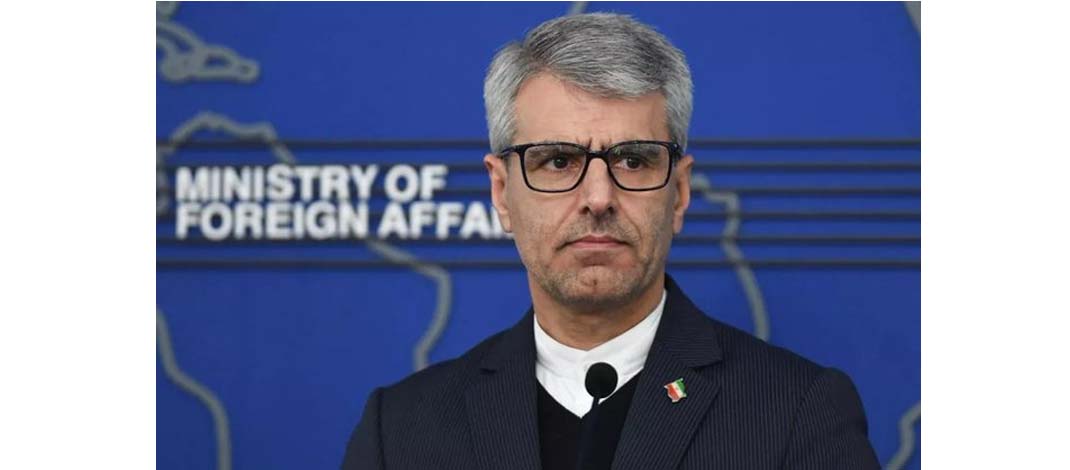
Speaking with Irani news channel Ismail Baghai, spokesperson for Iran’s Ministry of Foreign Affairs, both sides were able to reach understanding on several matters. However, he emphasized that differences remained on “two or three key issues,” ultimately preventing the talks from producing a final agreement.
Strait of Hormuz Emerges as a New Flashpoint
Baghai revealed that additional concerns surfaced during the discussions, including the strategically significant Strait of Hormuz. He noted that each newly introduced issue carried its own complexities, further complicating negotiations.
He added that the dialogue took place in an atmosphere marked by mistrust and lingering tensions following a recent 40-day conflict, making a swift resolution unlikely.
Prolonged Talks Reflect Complexity
Describing the negotiations as one of the longest rounds in recent years, Baghai said discussions lasted nearly 24 to 25 hours. He stressed that diplomacy remains an ongoing process, regardless of whether countries are in conflict or at peace, and continues to serve as a vital tool for protecting national interests.
Nuclear Concerns Remain Central
On the US side, J. D. Vance reiterated concerns over Iran’s nuclear ambitions, stating that Tehran had not demonstrated sufficient commitment to abandoning the pursuit of nuclear weapons.
Iran, however, has maintained a firm stance, asserting that it will not compromise on its sovereignty or national interests under any circumstances.
Key Issues on the Table
The negotiations covered a wide range of contentious topics, including Iran’s nuclear program, the easing of sanctions, compensation for war-related damages, and broader efforts to reduce regional tensions. Despite extensive discussions, these core disagreements continue to hinder progress toward a comprehensive agreement.
Related
Table of Contents
Toggle