
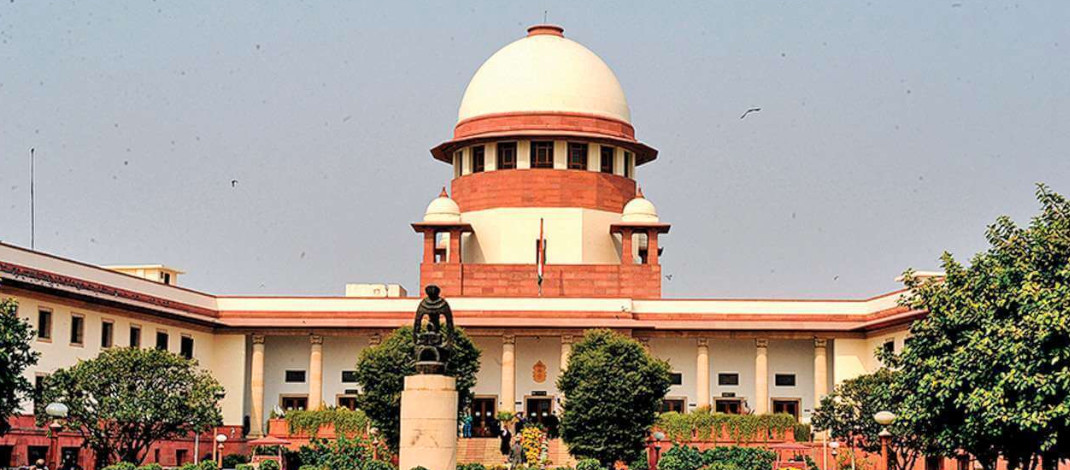
New Delhi : In a landmark judgment, the Supreme Court of India has ruled that individuals belonging to Scheduled Castes (SC) will lose their SC status upon converting to religions outside Hinduism, Sikhism, or Buddhism.
The verdict was delivered by a bench comprising Justice P.K. Mishra and Justice N.V. Anjaria, bringing clarity to a long-debated legal issue concerning religious conversion and caste-based reservations in India.
SC Status Restricted to Specific Religions
The Court emphasized that, under the Constitution, Scheduled Caste recognition is limited to individuals professing Hinduism, Sikhism, or Buddhism.
It ruled that if a person converts to religions such as Christianity or any other faith and continues to practice it, they will no longer be eligible for SC benefits, including reservation and legal protections.
Andhra Pradesh High Court Verdict Upheld
The apex court also upheld an earlier judgment by the Andhra Pradesh High Court, which had similarly held that:
- Individuals converting to Christianity cannot retain SC status
- Legal protections linked to SC identity cannot be claimed post-conversion
Impact on Legal Rights and Protections
The Supreme Court clarified that religious conversion leads to a change in an individual’s social and legal identity, which directly affects entitlement to caste-based privileges.
As a result, benefits under laws such as the SC/ST (Prevention of Atrocities) Act will no longer apply once a person ceases to belong to the eligible religious categories.
Significance of the Verdict
This ruling is considered crucial as it addresses cases where individuals have continued to claim Scheduled Caste benefits despite conversion.
Legal experts believe the judgment will:
- Provide clear guidance for courts and authorities
- Prevent misuse of reservation benefits
- Strengthen consistency in adjudicating similar disputes
Conclusion
With this decision, the Supreme Court has firmly defined the constitutional boundaries of Scheduled Caste status, reinforcing that such benefits are intrinsically linked to specific religious identities as recognized by law.