
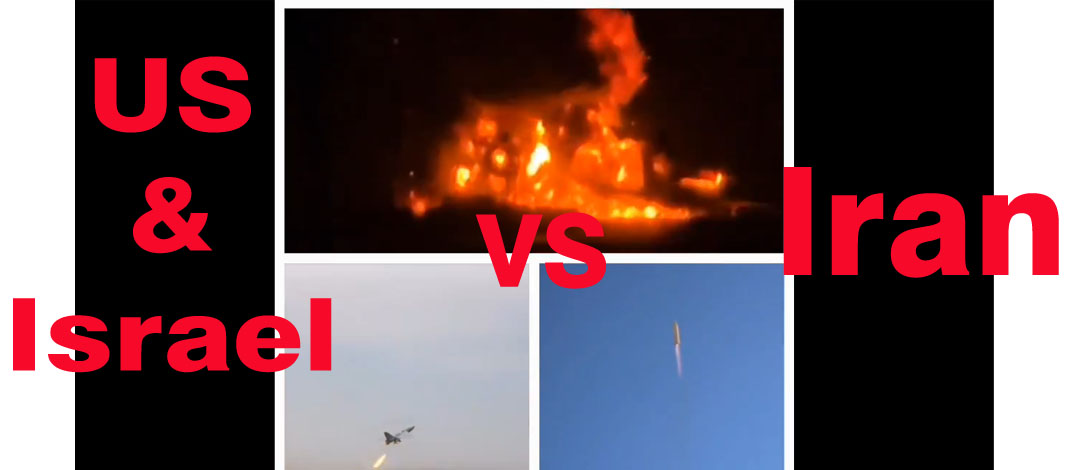
New Delhi : The military campaign dubbed “Operation Epic Fury,” launched by the United States and Israel against Iran, has entered its second week, intensifying tensions across the Middle East. The ongoing conflict has reportedly caused significant damage to civilian infrastructure and raised concerns about escalating regional instability.
Iran Reports Civilian Casualties and Infrastructure Damage
Iran’s Permanent Representative to the United Nations, Amir Saeid Iravani, informed the UN that more than 1,300 civilians have been killed since the attacks began on February 28. Describing the strikes as “reckless and deliberate,” he presented figures highlighting the scale of destruction.
According to Iranian authorities:
-
7,943 residential houses have been completely destroyed.
-
1,617 commercial establishments have been demolished.
-
65 schools, 32 medical centers, and 13 Red Crescent facilities have reportedly been hit.
Iran also warned of a potential environmental crisis after strikes on fuel storage facilities in Tehran reportedly caused the release of toxic gases, posing health risks particularly to children and elderly residents.
Iravani further accused Israel of committing a “war crime,” alleging that an attack on the Ramada Hotel in Lebanon resulted in the deaths of four Iranian diplomats.
Pentagon Claims Major Military Gains
Meanwhile, the United States Department of Defense said the campaign has significantly weakened Iran’s military capabilities.
At a press briefing in Washington, Dan Kane stated that US fighter aircraft are now operating in Iranian airspace with little resistance.
According to the Pentagon:
-
More than 5,000 targets have been struck so far.
-
Iran’s ballistic missile launch capability has been reduced by about 90%.
-
Its drone strike capability has declined by roughly 83%.
-
Over 50 Iranian naval vessels, including a drone carrier ship, have reportedly been destroyed.
US Defense Secretary Pete Hegseth said the main objective of the operation is to eliminate Iran’s missile stockpile and prevent it from acquiring nuclear weapons.
US Casualties and Political Debate
The war has also affected US forces. Pentagon spokesperson Sean Parnell confirmed that 140 American soldiers were injured during the first 10 days of the conflict, including eight who sustained serious injuries.
Domestically, the military campaign has triggered political debate in Washington. Senior Democratic leaders — Chuck Schumer, Jack Reed, and Jeanne Shaheen — have written to Donald Trump, seeking clarity on the objectives, strategy, and long-term implications of the operation.
As the conflict continues, international observers have expressed growing concern that prolonged hostilities could further destabilize the Middle East and escalate into a wider regional confrontation.